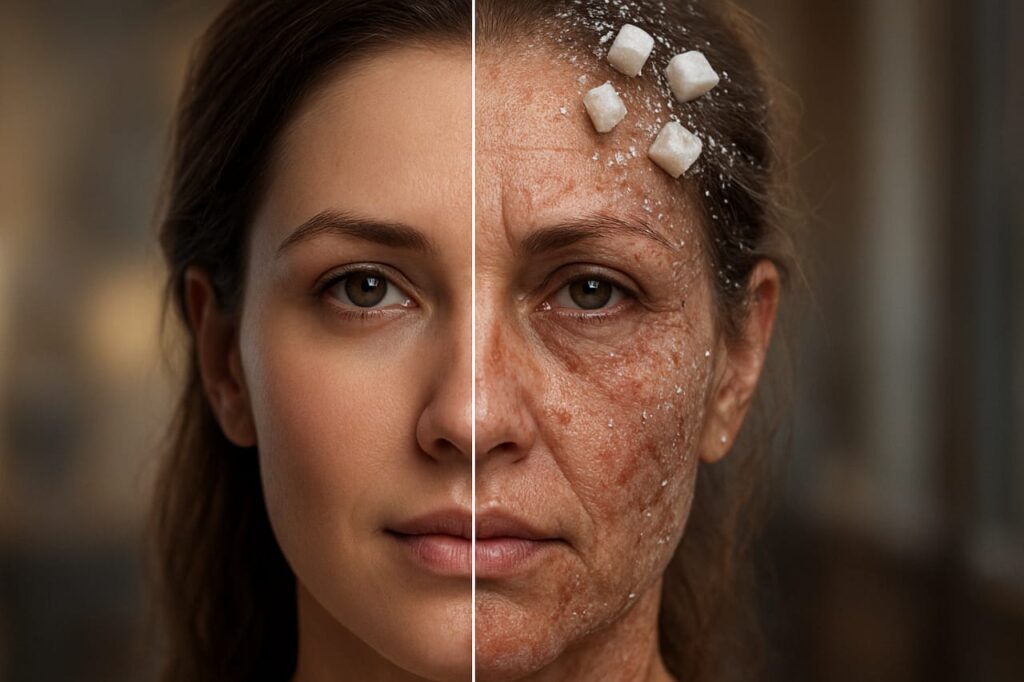

The hidden dangers of sugar aren’t just about tooth cavities or a few extra pounds. They are the quiet, creeping effects you might not notice until it’s too late. Sugar is everywhere – in tea, coffee, packaged foods, snacks, bakery items, and even in foods that seem healthy like fruit juice and flavoured yogurt. What you don’t see is how it’s secretly working against your energy, your health, and your future. Most people consume far more than recommended without even realizing it.
The World Health Organization advises limiting added sugar intake to less than 10% of daily calories, yet many exceed this limit every day. Excess sugar consumption is directly linked to obesity, diabetes, heart disease, fatty liver, hormonal imbalance, weak immunity, and even mental health issues.
This article examines the hidden dangers of sugar and explains why controlling sugar intake is crucial for maintaining long-term health.
Table of Contents
What is Sugar and Why Do We Crave It?
Sugar is a simple carbohydrate that serves as a primary source of energy. It occurs naturally in fruits and milk, but also exists as added sugar in processed foods.
Types of sugar:
- Glucose
- Fructose
- Sucrose
- High-fructose corn syrup
- Maltose
Sugar stimulates dopamine release in the brain, creating a short-term pleasure effect – similar to addictive substances. This is why people crave sweets even when they are not hungry.
How Much Sugar Is Safe?
The World Health Organisation (WHO) recommends: Less than 6 teaspoons per day. Yet, the average person consumes double that amount. People should know the hidden dangers of sugar and reduce their sugar intake.
Hidden Dangers of Sugar
1. Sugar Damages Liver Health
Your liver handles fructose, a type of sugar. An excessive amount of fructose is converted into fat within the liver, leading to the development of fatty liver disease. Over time, this may progress into:
- Liver inflammation
- Liver failure
- Cirrhosis
2. Sugar Feeds Bad Gut Bacteria
Excess sugar encourages harmful bacteria growth in the gut, causing:
- Poor digestion
- Bloating
- Weak nutrient absorption
- Cravings
3. Sugar Disrupts Hormones
Sugar negatively impacts insulin, estrogen, cortisol, and thyroid hormones. In women, excess sugar worsens:
- PCOS
- Irregular periods
- Acne
4. Sugar Causes Rapid Weight Gain
The intake of excessive amounts of sugar can quickly turn into fat, especially around the belly. Unlike protein or fat, sugar does not make you feel full. So you eat more, store more fat, and gain weight faster. It also spikes insulin, forcing your body to store excess energy as fat. Over time, this leads to:
- Obesity
- Slower metabolism
- Increased waist size
5. Sugar Increases the Risk of Diabetes
Consuming too much sugar overwhelms insulin production. Eventually, the body becomes insulin-resistant, causing blood sugar to remain high. Liquid sugars, such as soft drinks and juices, are especially dangerous because they cause sudden sugar spikes.
This leads to:
- Type 2 diabetes
- Nerve damage
- Kidney failure
- Vision problems
6. Sugar Is a Major Cause of Heart Disease
A high-sugar diet raises bad cholesterol and triglycerides while lowering good cholesterol. Sugar causes inflammation in blood vessels, damaging their walls and increasing the risk of cardiovascular diseases. This leads to:
- Stroke
- Blocked arteries
- High blood pressure
- Heart attack
7. Sugar Increases Cancer Risk
Cancer cells thrive on glucose. High blood sugar fuels the growth of cancer cells and tumor development.
8. Sugar Weakens Your Immune System
Sugar suppresses white blood cells that fight infection. A diet high in sugar increases vulnerability to:
- Infections
- Frequent colds
- Slow wound healing
9. Sugar Affects Mental Health
Sugar highs are followed by energy crashes. Studies show that people with high sugar intake suffer more mood disorders. This instability in blood sugar causes:
- Irritability
- Depression
- Poor concentration
- Anxiety
10. Sugar Accelerates Skin Aging
Sugar binds collagen through a process called glycation, making skin lose elasticity and glow. Results in:
- Sagging skin
- Acne
- Wrinkles
How to Reduce Sugar Intake?
- Choose fruits over sweets
- Reduce tea/coffee gradually
- Avoid packaged food
- Read food labels
- Replace sugary drinks with lemon water
Healthy Sugar Alternatives
- Dates
- Jaggery
- Honey
Conclusion
Sugar is not about calories – it’s about consequences. Slow eight gain, chronic diseases, hormone imbalance, and mental fatigue are some hidden dangers of sugar and all rooted in sugar overload. Cutting down sugar is the easiest lifestyle change with the biggest health benefit.
Your body will thank you.


